Transforming your property in Maple Valley starts with a professional designer who understands the unique demands of the regional conditions. From outdoor renovations to multi-family planning, expert grading and drainage ensures lasting beauty and function.
- Eco-friendly patio and walkway installation built for functionality
- Eco-friendly landscaping using local flora
- End-to-end landscape lighting design with adherence to site standards
Whether you're seeking budget-friendly planning or a premium landscape master planning experience, Maple Valley offers reliable design teams ready to bring your vision to life.
The Role of Landscape Architecture in Modern Design
Core Concepts of Landscape Architecture
Outdoor design is the artful practice of redeveloping outdoor environments to balance natural harmony with user accessibility. Licensed landscape architects apply holistic site planning, grading and drainage, and sustainable landscaping principles to create spaces that are both inviting and low-impact.
- Honor natural terrain with timeless hardscape design
- Apply long-term sustainability in every project
- Collaborate with certified arborists and engineers for thorough site solutions
Difference from Landscape Design
While a licensed landscape designer may focus on softscape installation, a professional landscape architect handles regulated projects involving grading and drainage. They’re trained in public safety codes, making them essential for residential landscape architecture in Maple Valley’s varied topography.
Typically licensed landscape architects can submit plans that meet King County zoning regulations, especially when dealing with permeable pavers.

Contribution to Community Development
Professional landscape architects play a foundational role in shaping public spaces by designing people-friendly environments. From parks to plazas, they incorporate sustainable drainage into master plans that serve both residents and wildlife.
- Create multi-use trails using permeable pavers
- Feature rain gardens and bioswales for effective drainage efficiency
Principles of Eco-Friendly Landscaping
In the Pacific Northwest climate, sustainable landscaping means leveraging natural conditions to reduce environmental strain. By using native plants Washington ecosystems depend on, installing smart irrigation system design, and applying low-maintenance landscaping strategies, experts ensure your outdoor space thrives with optimized resource use.
Eco-conscious design also includes solar-powered landscape lighting design, compost-rich soils, and habitat restoration—key components of true eco-friendly landscaping in Maple Valley property design.
Top Services Offered
Personalized Yard Architecture
Whether you’re building from scratch or renovating, residential landscape architecture transforms your Maple Valley property into a beautiful outdoor living space. Through professional site analysis and landscape master planning, experts tailor every element—from grading and drainage to softscape installation—to match your lifestyle and the Pacific Northwest climate.
- Craft elegant transitions between home and garden using custom hardscape design
- Feature outdoor kitchen design and patio and walkway installation for seamless entertaining
Corporate Site Design Solutions
Commercial site development demands professional landscapes that reflect brand values while managing real-world challenges like foot traffic, parking, and stormwater runoff. A skilled landscape architect delivers high-performance designs using permeable pavers to reduce costs and environmental impact.
Within retail centers to office parks, these designs enhance curb appeal while meeting King County zoning regulations and green infrastructure requirements.
Designing Functional Outdoor Rooms
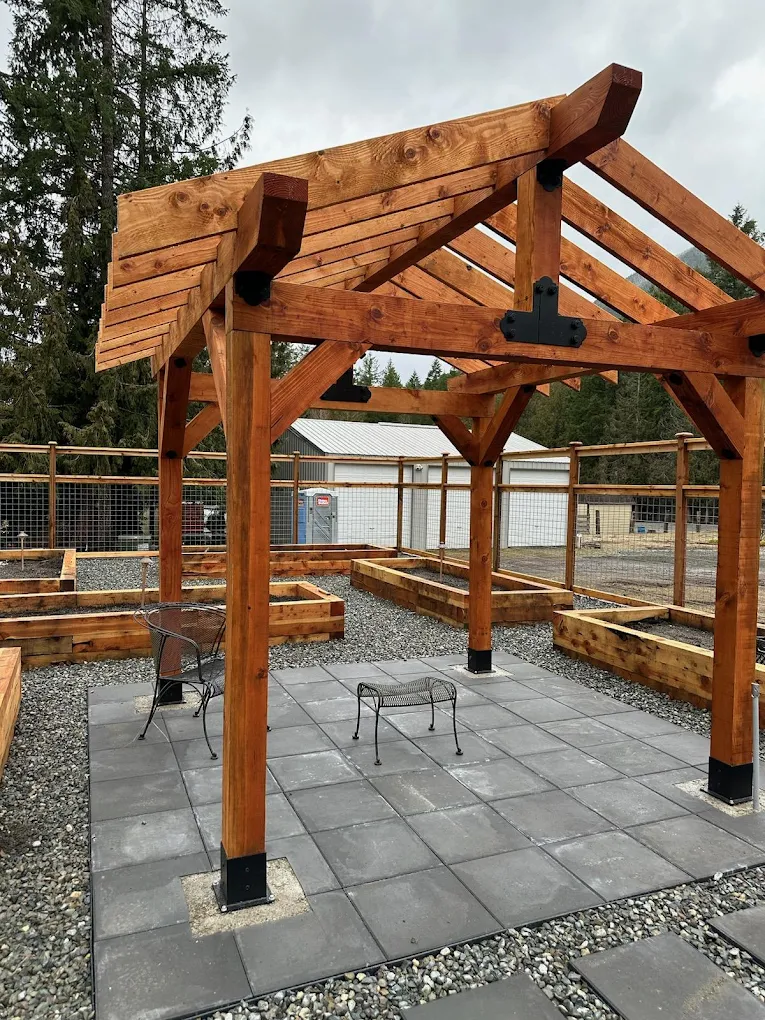
Turn your yard into a versatile outdoor living space with expertly planned features like fire pits, pergolas, and landscape lighting design. These elements extend your home’s usable area and create a seamless flow between indoor and outdoor environments.
- Build cozy conversation zones with weather-resistant seating and natural stone accents
- Integrate outdoor kitchens and dining areas with efficient patio and walkway installation
Effective Drainage and Runoff Control
In Maple Valley’s rainy environment, proper stormwater management is non-negotiable. Experts use rain garden installations, bioswales, and strategic grading and drainage to prevent flooding, erosion control failures, and property damage. These eco-friendly systems also filter pollutants and recharge groundwater.
By green infrastructure like permeable pavers and native plant buffers, your landscape becomes a functional part of the larger watershed—protecting both your property and the Puget Sound region.
Benefits of Choosing a Maple Valley Landscape Architect
Designing for Rain, Seasons, and Soil
Only professionals familiar with the Pacific Northwest climate can design landscapes that thrive through constant drizzle, sudden sun, and seasonal shifts. They select plants and materials that withstand moisture, resist mold, and stay vibrant year-round—avoiding costly replacements and maintenance.
- Choose flora adapted to damp shade
- Engineer hardscapes with slip-resistant, freeze-thaw durable materials
Permitting and Compliance Expertise
Local landscape architects know exactly how King County zoning regulations affect setbacks, tree removal, drainage modifications, and structure placement. This insider knowledge speeds up permitting and avoids fines or rework—saving you time, money, and frustration during landscape construction.
If retaining walls, sheds, or extensive grading and drainage, their experience ensures full compliance from concept to final install.
Creating Eco-Balanced Gardens
Native plants Washington supports are the backbone of sustainable landscaping—requiring less water, attracting pollinators, and resisting local pests. A licensed landscape designer selects species like salal, red flowering currant, and Douglas fir to create resilient, low-maintenance landscapes that support biodiversity.
- Replace invasive species with regionally appropriate natives
- Support habitat value while reducing irrigation needs
Support for Local Ecosystems
Your yard doesn’t exist in isolation. Eco-friendly landscaping connects to broader ecosystems by supporting birds, bees, and soil health. Through rain garden placement, organic mulching, and erosion control techniques, local experts ensure your property contributes positively to the environment.
From urban backyards to rural estates, every design becomes a small but powerful act of conservation in the Puget Sound region.
Design Process Overview
First Steps in Your Landscape Journey
Your project starts with a comprehensive professional site analysis, where the landscape architect evaluates sunlight, soil, drainage, and existing vegetation. This critical phase identifies opportunities and constraints—like erosion control needs or microclimates—that shape the entire design.
- Complete detailed surveys of topography, utilities, and view corridors
- Review your vision, budget, and timeline for affordable landscape architecture
Concept Development and Sketches
Based on your goals and site conditions, the team creates hand-drawn or digital sketches showing potential layouts for hardscape design, softscape installation, and outdoor living space zones. These early visuals help you imagine flow, function, and form before moving forward.
With small yards or sprawling estates, these concepts balance creativity with practicality—always respecting Maple Valley property design challenges.
Visualizing Your Future Outdoor Space
Advanced 3D renderings bring your landscape master planning to life, letting you “walk through” your future patio and walkway installation or outdoor kitchen design. You can request revisions—changing materials, plant types, or furniture placement—until every detail feels just right.
- Experience realistic models of lighting, shadow, and seasonal color changes
- Adjust irrigation system design and grading and drainage paths virtually
Final Installation Planning
The final phase turns vision into reality with detailed construction documents, material specifications, and a clear project timeline. The landscape architect coordinates with contractors, secures permits, and oversees landscape construction to ensure quality and compliance.
Through installation—whether it’s softscape installation, hardscape design, or landscape lighting design—you’re supported by a team committed to excellence in every detail.
Sustainable Landscaping Approaches for Maple Valley Properties
Water-Absorbing Landscape Installation
Installing a rain garden helps manage runoff from your roof, driveway, or patio while protecting local water quality. A licensed landscape architect skilled in green infrastructure can design a rain garden that blends into your outdoor living space using drought-tolerant species. These gardens reduce erosion, filter pollutants, and add botanical beauty.
- Choose indigenous flora for maximum stormwater absorption
- Design the eco-feature near impervious surfaces for effective water collection
- Integrate layers of gravel, soil, and mulch to enhance filtration and root development
Permeable Paving Solutions
Upgrade your patio with porous concrete that allow rainwater to seep into the ground instead of pooling or flooding. These systems are a key part of eco-friendly design and comply with environmental standards. A professional site analysis by a design-build firm ensures your system works with your property’s slope.
- Install pervious concrete to control surface runoff and standing water
- Integrate with landscape lighting design for a stylish look
Drought-Tolerant Planting Strategies
Designing a low-irrigation landscape is essential for thriving in the Maple Valley weather patterns. By selecting xeriscape-friendly shrubs, you reduce water use and maintenance demands. A certified landscape architect can guide your plant palette with species that support eco-friendly landscaping.
Wildlife Habitat Integration
Foster local birds, bees, and butterflies by weaving natural ecosystems into your residential landscape. This involves strategic placement of berry-producing shrubs and avoiding invasive species. A landscape master planning approach ensures your outdoor living space becomes part of a larger sustainable community.
Finding the Best Landscape Architecture Team in King County
Check Licenses and Qualifications
Don’t forget to confirm your professional holds a valid license through the state and meets legal requirements. Look for credentials like sustainable design certification to ensure expertise in site planning. These qualifications protect your investment and guarantee adherence to local codes
Examine Local Case Studies
Reviewing real-world examples of a firm’s residential landscape architecture work gives you insight into their style. Focus on projects in Maple Valley to gauge how well they handle the Pacific Northwest climate. A strong portfolio reflects experience in landscape lighting design.
- Identify consistency in design quality
- Assess the use of green infrastructure in completed builds
Compare Service Cost Models
Clarifying how firms charge—whether per square foot—helps you avoid surprises and choose value-driven design. Some include grading and drainage in upfront quotes, while others bill separately. A transparent landscape architect will outline all costs tied to commercial site development.
Read Client Feedback
Real client testimonials reveal how a firm handles communication, timelines, and unexpected challenges during grading and drainage. Look for praise about project management—especially for projects involving irrigation system design. A top-rated Maple Valley landscape architecture team will have consistent positive feedback across platforms.
- Pay attention to mentions of client care
- Look for stories involving tight budgets
Maintenance and Ongoing Landscape Management
Seasonal Landscape Assessments
Plan routine evaluations with a landscape architect to catch issues before they escalate. These visits assess plant vitality, hardscape integrity, and compliance with stormwater management standards. Early detection means lower costs for your residential landscape.
Sprinkler Network Upkeep
Tune your irrigation system design check my blog in top shape to prevent waste, overwatering, or dry patches. A professional landscape architect can audit your setup for leaks, misaligned heads, or inefficiencies tied to the seasonal rainfall. Upgrading to smart controllers and drip lines boosts water efficiency.
- Inspect valves, timers, and nozzles seasonally
- Modify watering schedules to match plant needs
- Add moisture sensors for automated delivery
Pruning and Vitality
Professional pruning promotes attractive growth while preventing disease and structural weakness in trees and shrubs. Work with a licensed landscape designer familiar with Pacific Northwest species. Proper cuts and timing ensure your garden remains safe year after year.
Soil Stabilization Monitoring
Address vulnerable slopes, drainage paths, and newly installed areas to prevent foundation damage. Effective drainage solution uses native groundcovers—all part of a larger landscape master planning strategy. A professional site analysis helps identify high-risk zones before planting or construction.
- Anchor retaining walls on erosion-prone zones
- Introduce erosion-blocking shrubs to reduce runoff
Common Questions About Landscape Architecture Services in Maple Valley, WA
What Does a Landscape Architect Do
A certified outdoor design expert in Maple Valley delivers comprehensive site planning that integrates hardscape design with living landscape features. They specialize in stormwater management, ensuring your property works with natural water flow patterns. Whether you're planning a new backyard retreat, they bring together aesthetic vision for lasting results.
How Is a Landscape Architect Different From a Landscaper
Unlike general landscapers who focus on mowing, a certified landscape planner undergoes rigorous training and can legally sign off on projects involving grading plans over 50 cubic yards. They provide professional site analysis and collaborate with certified arborists when needed. Their expertise covers everything from irrigation system design to large-scale residential landscape architecture.
This technical precision is especially valuable for Maple Valley property design, where compliance and sustainability are non-negotiable. You gain access to smart water management systems that standard lawn services simply can’t offer.
How Do I Make My Outdoor Space More Green and Resilient
Absolutely—eco-friendly landscaping is central to modern design in the Puget Sound region. We incorporate drought-tolerant species that thrive in our Pacific Northwest climate. Our team designs rain gardens to support natural stormwater management without relying on costly drainage pipes.
From low-maintenance landscaping to solar-powered landscape lighting design, we help you build a yard that’s as resilient to climate shifts as it is beautiful and functional.
Can You Build What You Design
Yes—many top firms offer complete design-to-installation packages. This means seamless coordination between 3D renderings and actual landscape construction. You avoid miscommunication, stay on budget, and ensure your vision is built exactly as intended.
Our experienced builders handles everything from irrigation system design to final planting and custom seating integration, giving you a smooth project timeline from start to finish.
Is Professional Design Worth the Investment
You’ll find a range of pricing depending on scope, but value-driven design services is available without sacrificing quality. Small projects like a front yard refresh may start at a few thousand, while full whole-property transformations involve deeper investment. The key is working with a firm that offers budget-first design tailored to your goals.
Investing in a experienced planner often pays off through better stormwater compliance. You’re not just paying for looks—you’re gaining smart design that considers native plant survival, saving you money and headaches down the road.